
Turkish Bath Treatments
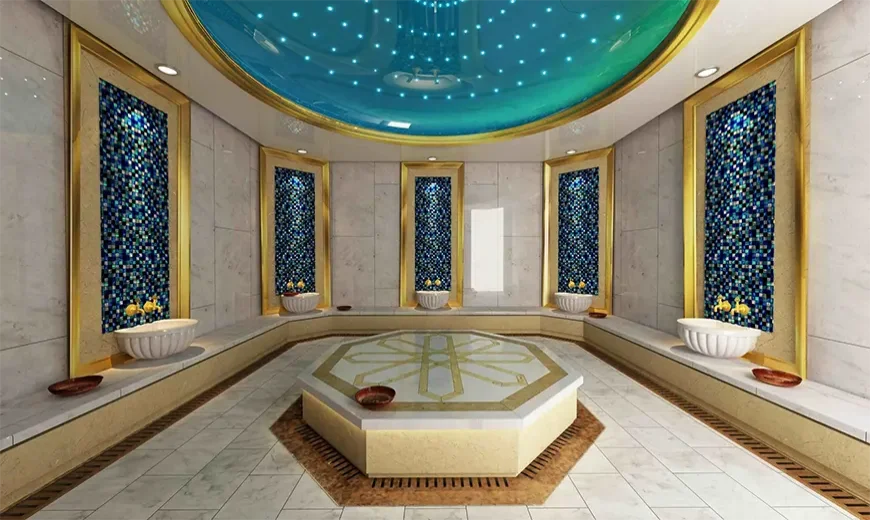
The Turkish bath has been an important tradition in our culture for centuries. Today, when we look at what Turkish bath practices are, we see that they offer a variety of services not only for cleanliness but also for health and social interaction. First, it is essential to understand what a Turkish bath is and its history. While the origins of Turkish baths trace back to Roman and Byzantine times, they became richer in architecture and function with the Ottoman Empire. This long history forms the foundation of modern Turkish bath practices.
One of the key elements you can experience in a Turkish bath is Turkish bath designs and modern interpretations. Traditional baths are usually built with domed ceilings, natural stone, and marble floors, while today, more compact and practical solutions like home Turkish bath systems have become common. In commercial spaces, commercial Turkish bath projects and designs offer much larger, technologically advanced, and aesthetically pleasing environments.
The materials used in a Turkish bath, materials used in Turkish bath applications, are crucial for a healthy and comfortable experience. Marble, natural stones, high-quality wood, and special soaps make the bath both elegant and hygienic. Building a bath with these materials requires detailed planning and professional craftsmanship. Once heating systems, steam generators, and plumbing are installed, interior decoration is completed.
For long-lasting and healthy use, regular maintenance and cleaning recommendations for Turkish baths should be applied. Marble surfaces and steam systems should be cleaned with special products, and plumbing should be regularly checked. This ensures both hygiene and a longer lifespan for the bath.
One of the greatest benefits of a Turkish bath is its health advantages. Regular use helps eliminate toxins, relax muscles, and reduce stress. In modern baths, these effects are enhanced with features like aromatherapy and color therapy. Additionally, the combination of Turkish bath and spa services provides a versatile relaxation and wellness experience.
In the field of technology, technologies used in Turkish baths have advanced significantly. Digital control panels, energy-efficient steam generators, and aromatherapy systems increase user comfort. However, precautions in Turkish bath applications should not be overlooked. Temperature control, session duration, and hygiene are critical for a healthy experience.
There are also additional features that enhance the functionality and enjoyment of the bath. For instance, features that increase comfort in Turkish baths include massage areas, color therapy, and specialized care products. These are particularly popular in modern spa and wellness centers.
Of course, Turkish bath prices and project costs depend on many factors. Material quality, design size, and technological equipment affect pricing. Therefore, the best material options for Turkish bath applications should be carefully selected and professional support sought.
For historical baths, restoration and renovation services for Turkish baths are essential. It is possible to preserve the historical character while updating to modern standards. Design should combine both aesthetics and functionality, highlighting aesthetic and functional aspects in Turkish bath design.
As environmental awareness increases today, sustainability and eco-friendly solutions in Turkish bath applications are becoming more common. Using energy-efficient heating systems and eco-friendly materials benefits both the environment and economy. Additionally, high-quality water and heating systems for Turkish baths ensure uninterrupted and efficient use.
Finally, the success of Turkish bath applications largely depends on customer satisfaction. Therefore, customer reviews and references play a critical role for businesses. Good references are the most effective way to gain the trust of new customers.